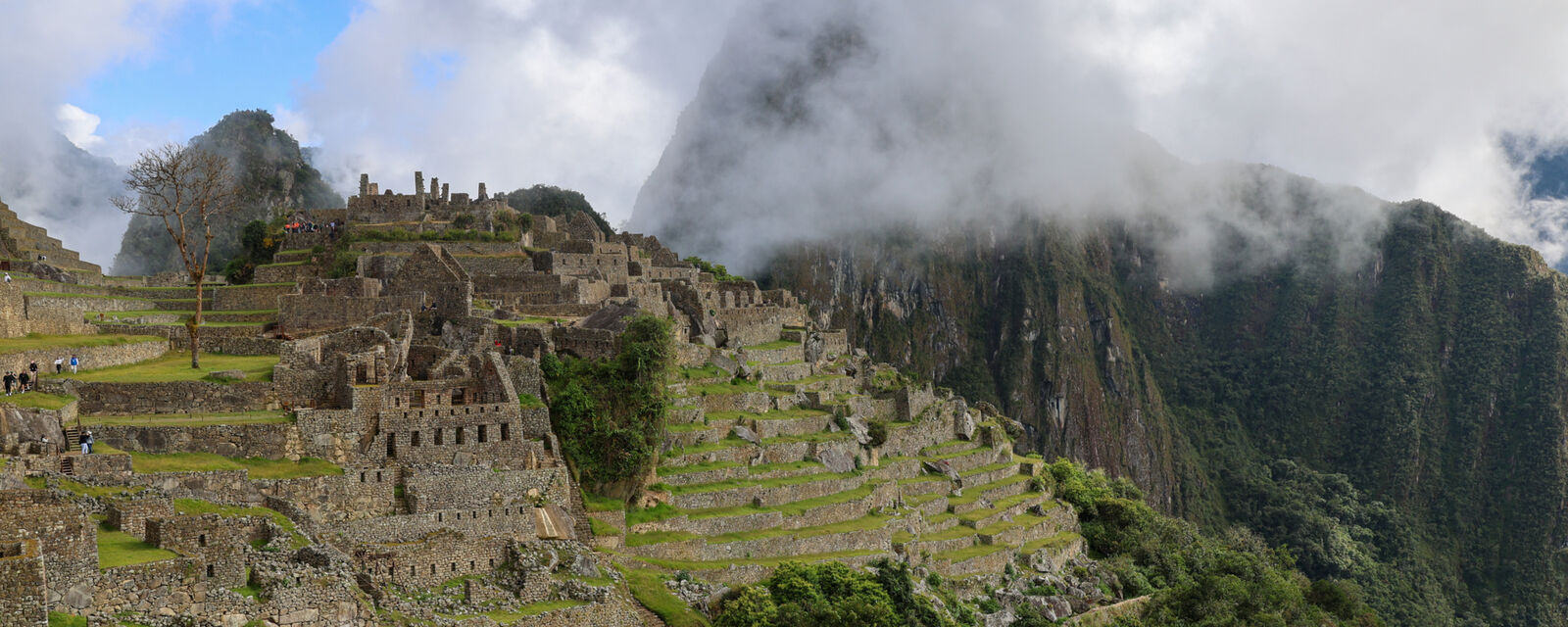
Peru will leave you breathless
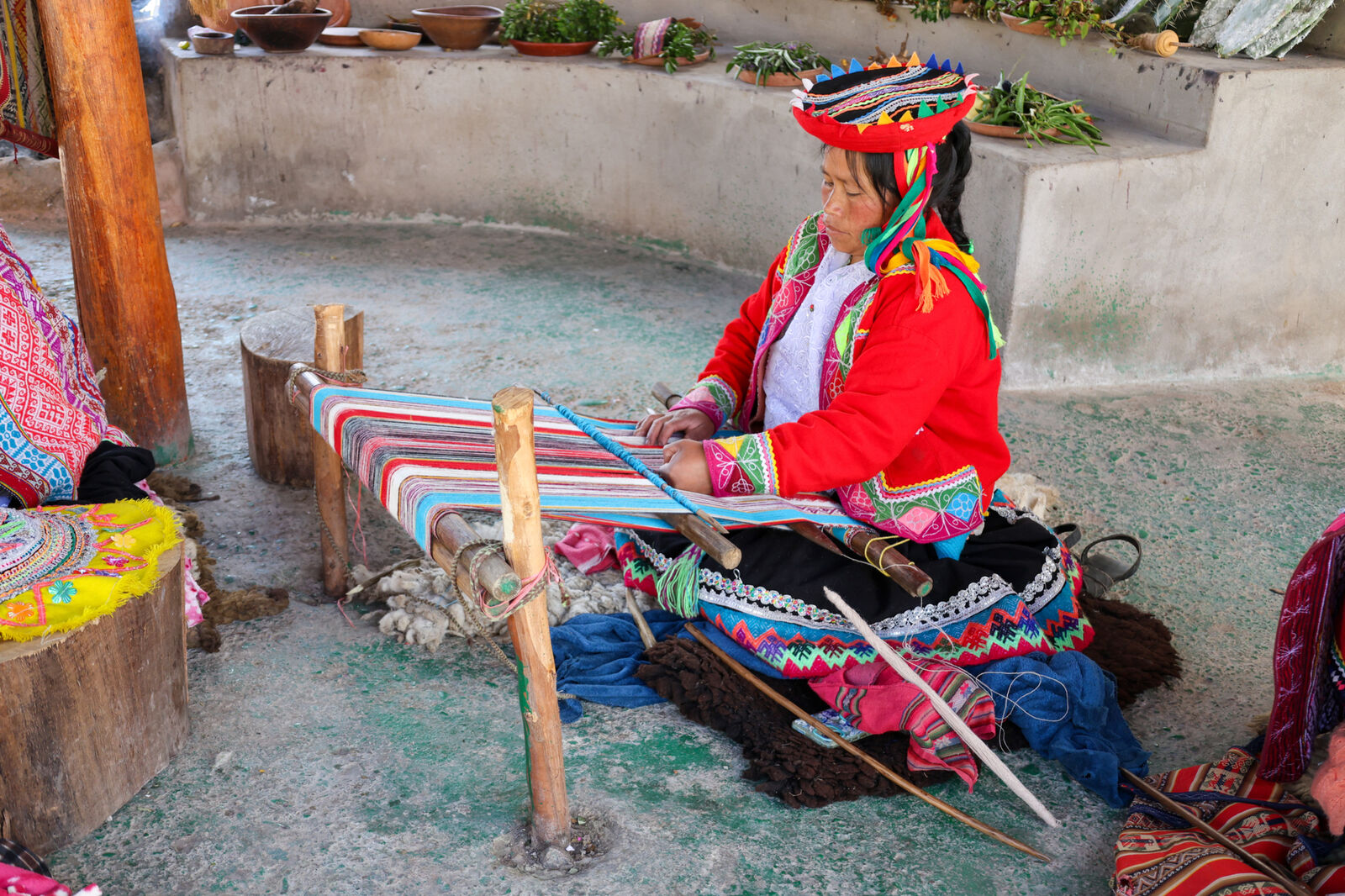
A Quechua woman weaving in the Sacred Valley.
We arrived curious, and left breathless – in the literal sense as well as the emotional one. Many of Peru’s most extraordinary regions lie at high altitude. The old Incan capital of Cusco, gateway to Machu Picchu, is located at 3 400m, and many mountain passes in the area reach well above 4 000m. At these elevations the air is thinner, which means your body absorbs less oxygen. Even gentle walking can leave you short of breath at first. Yet this same altitude is what shapes Peru’s dramatic landscapes, its vast mountain vistas and the sense of being somewhere utterly remarkable.
What will strike you immediately is the richness of Peru’s culture. The Incan, Spanish and indigenous influences blend into a living tapestry that you feel everywhere – in the architecture, the food, the textiles and the warmth and faces of the people.
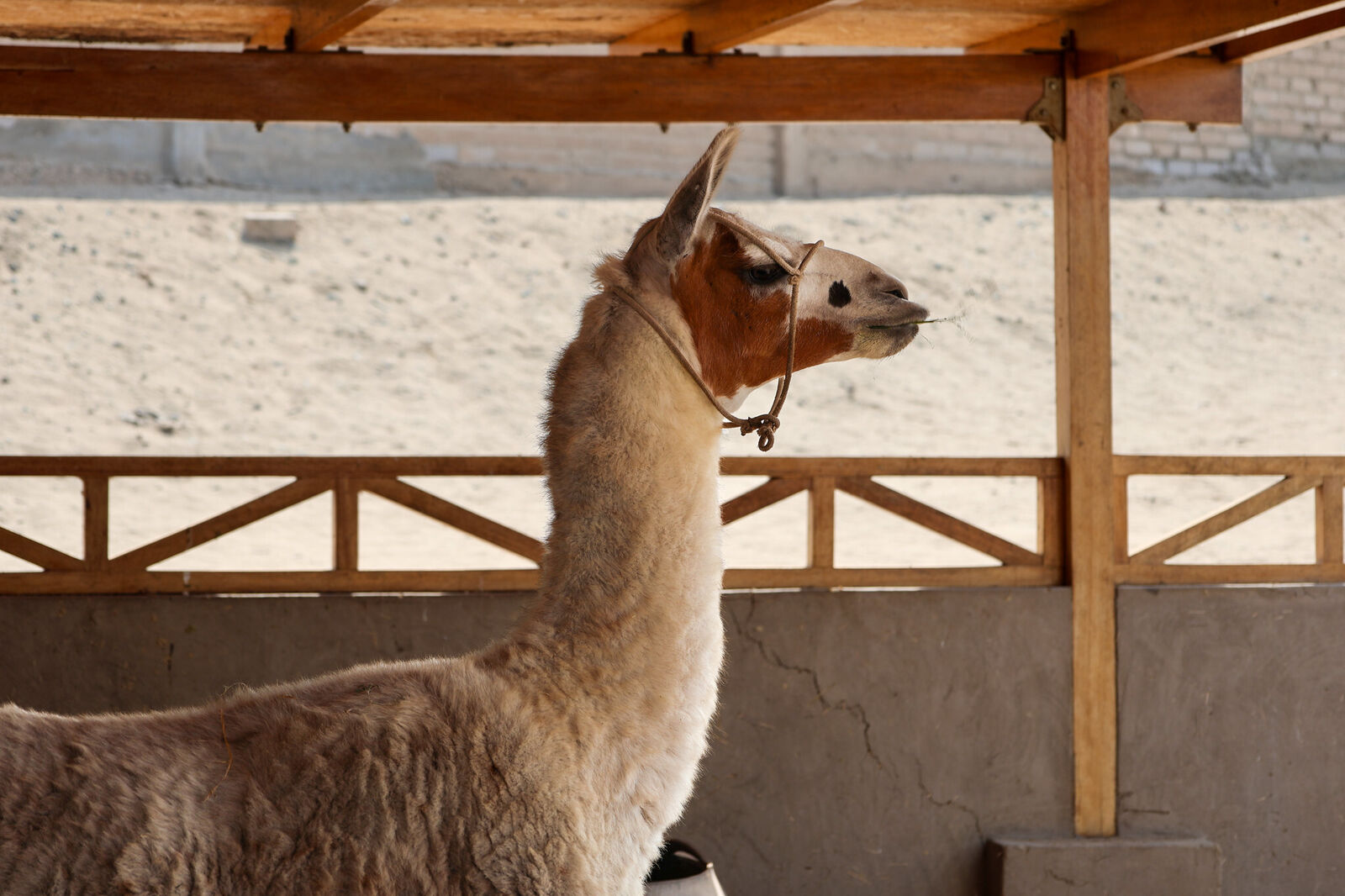
Llamas are ubiquitous in Peru. They are domesticated camelids, and have other similar and interesting cousins, including alpacas, vicuñas and guanacos.
Nothing prepares you for the moment you first see Machu Picchu. We drove up to the Incan citadel in an early-morning bus, navigating switchbacks bordered by precarious drops. At first, I was very disappointed – a thick, white mist covered the site. I thought I was going to have to buy postcards to see what it looked like. But as we stood near the entrance to the city, the sun burned off the mist, which lifted magically over the surrounding peaks and the ancient citadel came into view. The site is magnetic, charismatic. I couldn’t tear my eyes from it.
Peru is a country of surprises at every turn. Its diversity is astounding – it is home to deserts, giant Andean peaks, a spectacular Pacific coastline and Amazonian rainforest, which covers over half the country. It is also one of the world’s most exciting culinary destinations. Fresh ceviche in Lima, warming quinoa soups in the Andes and vibrant market produce create a food journey almost as memorable as the landscapes. Everyone in our group agreed it was some of the best food we had ever tasted.
Our local guides were knowledgeable, passionate and deeply connected to the places they shared with us.
Peru surprised us, challenged us and delighted us. It left us with memories to last a lifetime and a deep desire to return.
If you are dreaming of a destination where culture, history, nature and food intersect in spectacular ways, promote Peru to the top of your list!
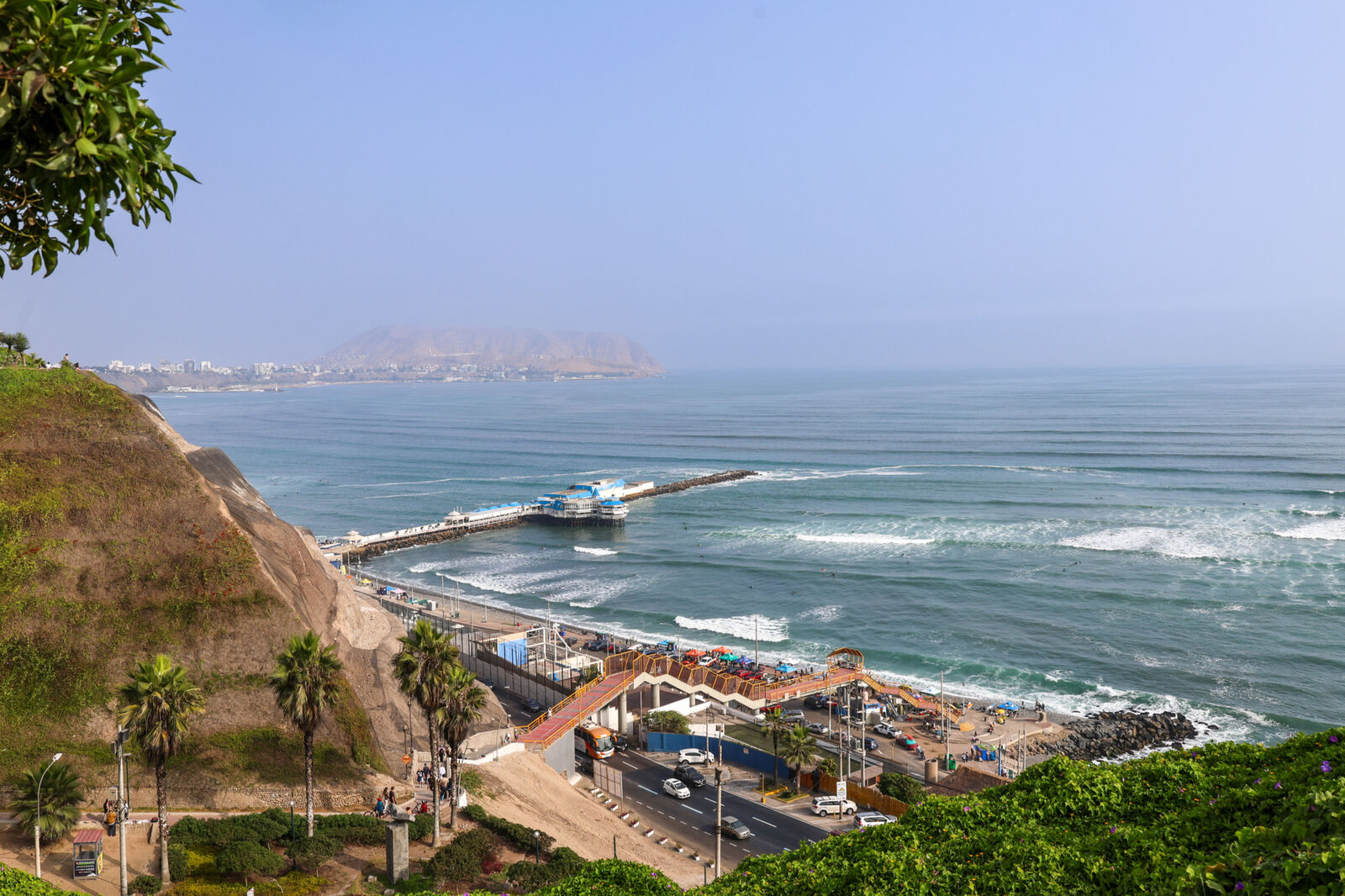
Peru’s capital city of Lima is located on the Pacific coastline. It’s a vibrant, large city, with over 11-million inhabitants.
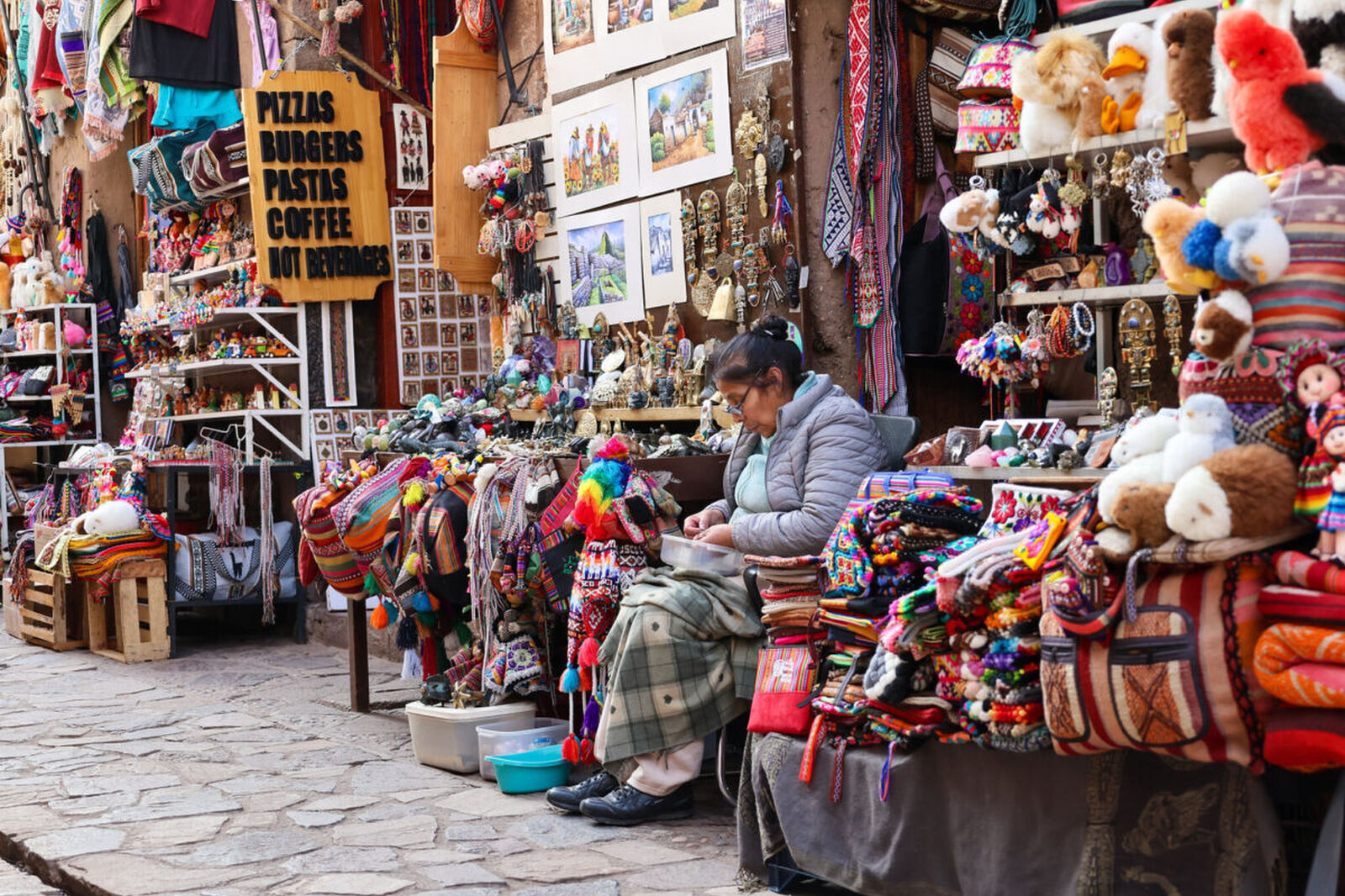
A woman sews on a street in the small Andean town of Pisac, known for its vibrant market and artisanal crafts.
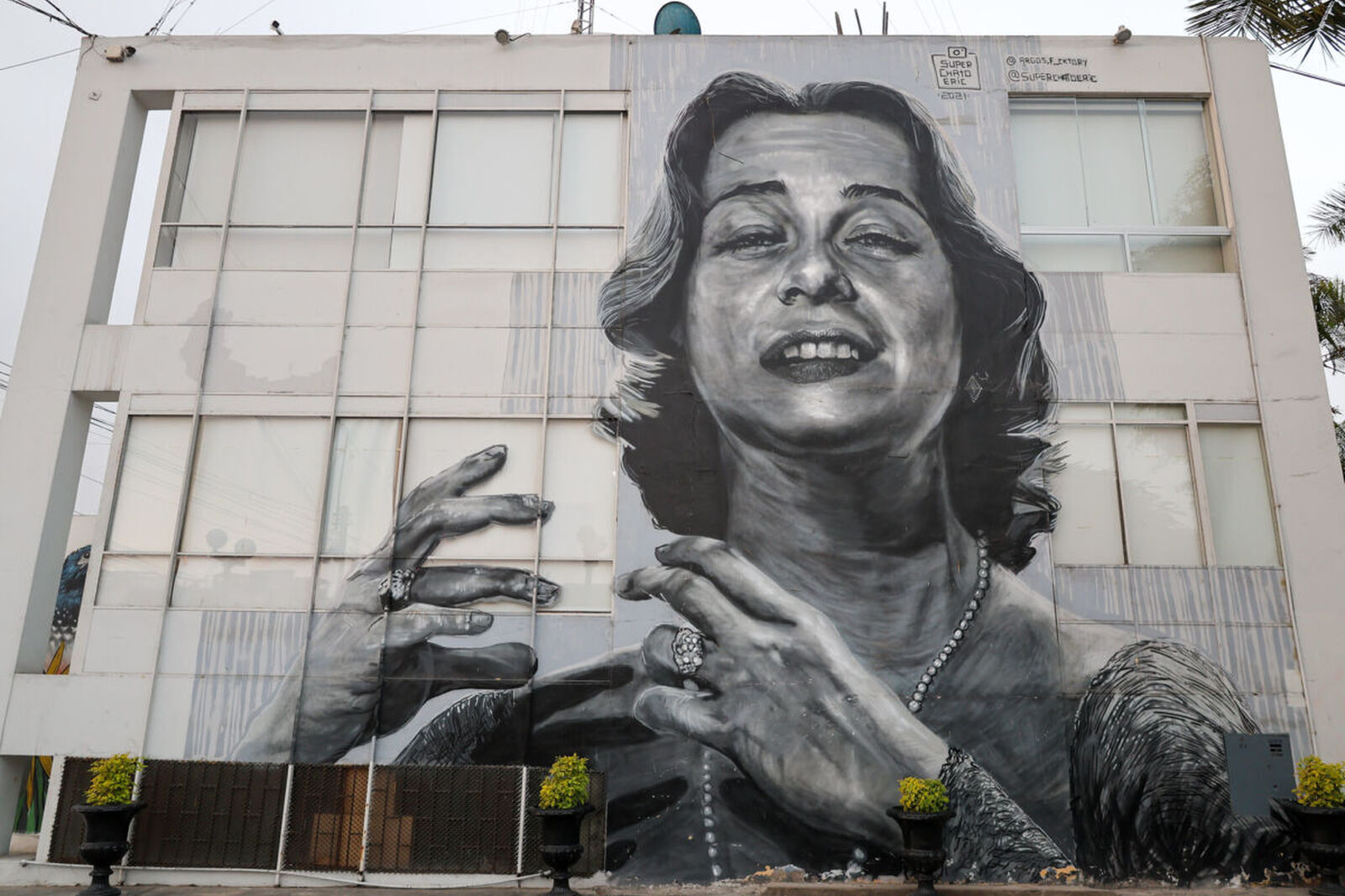
A mural in Lima.
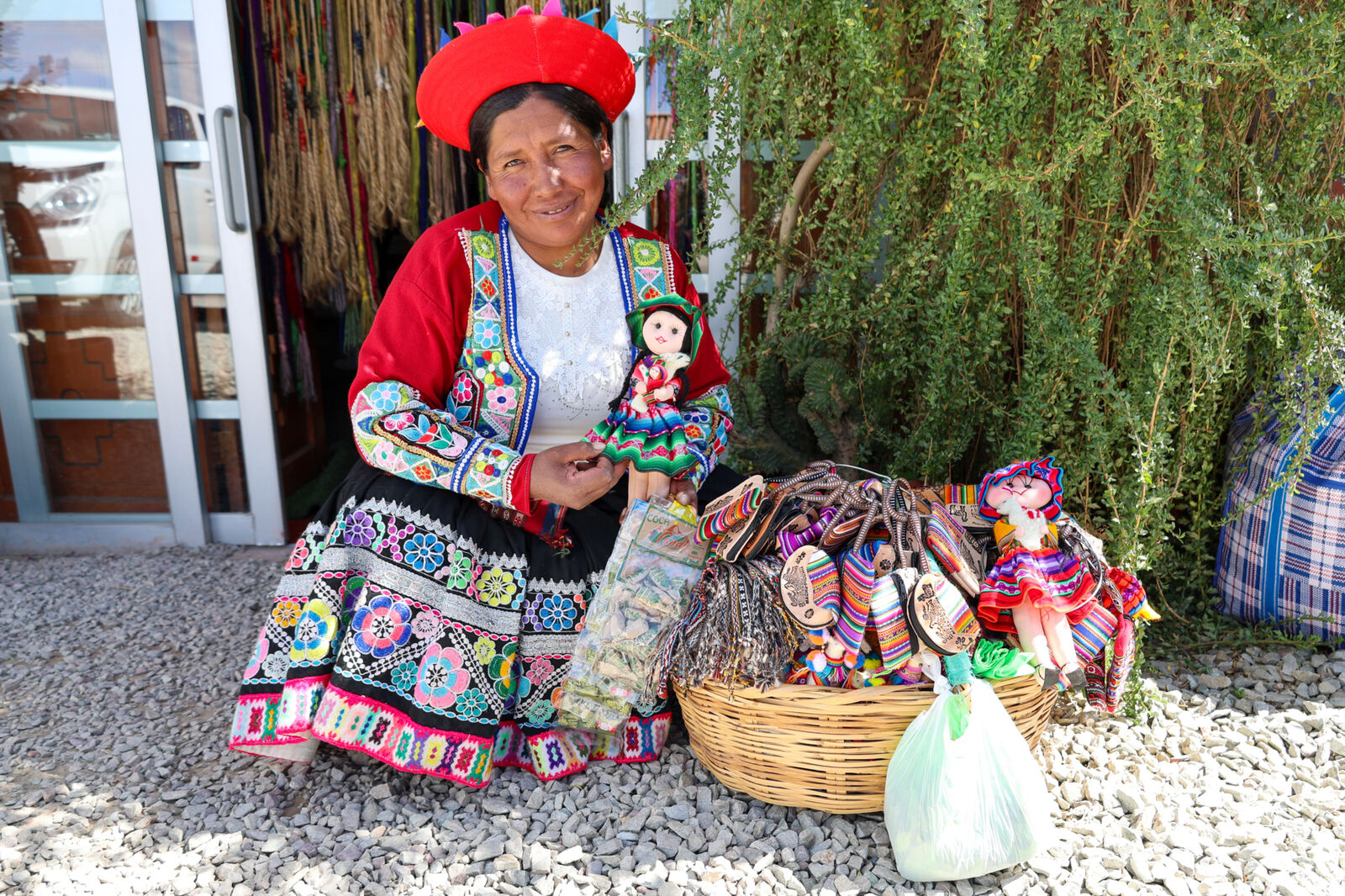
A woman sells her handmade wares in the Sacred Valley.
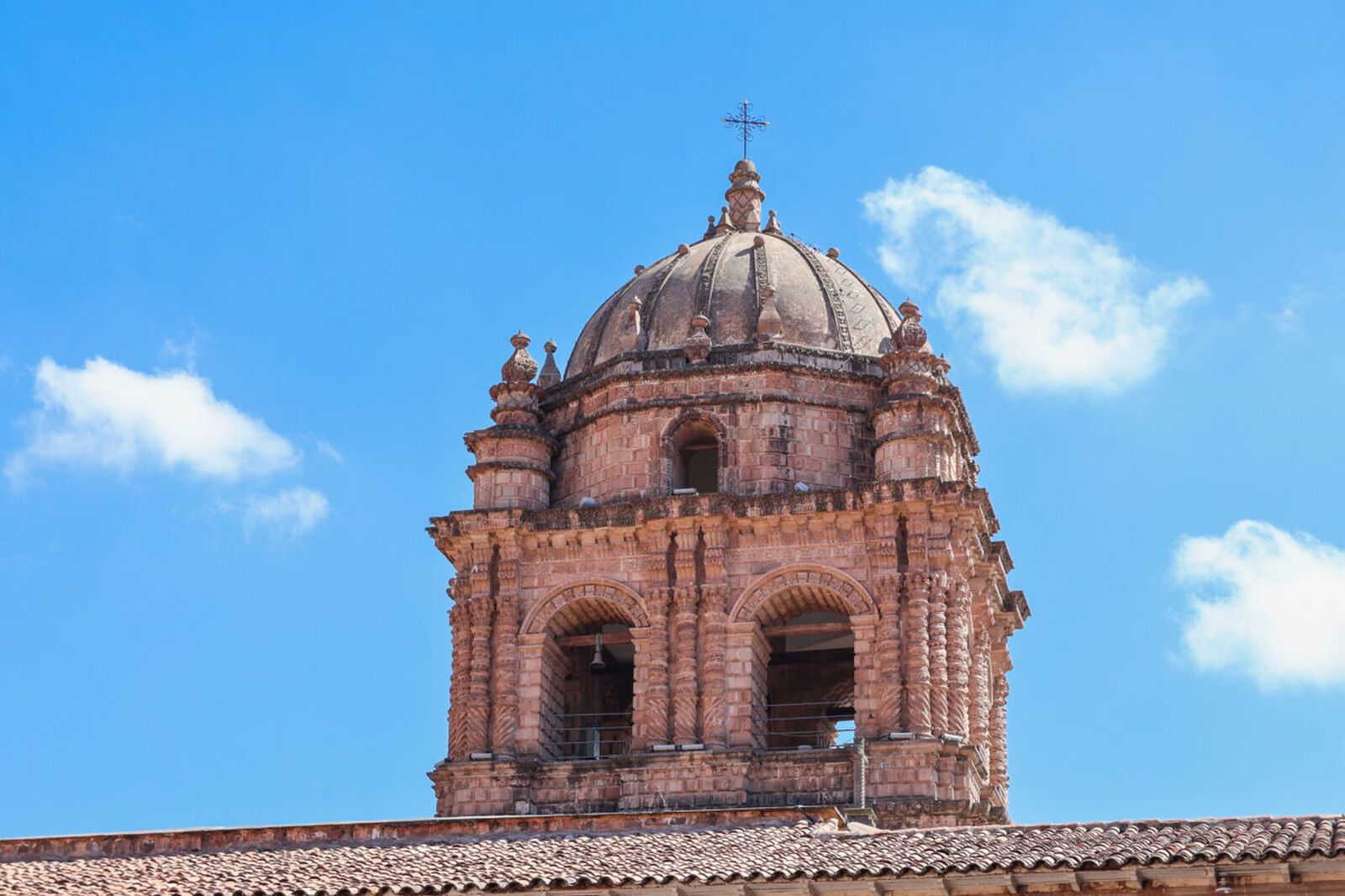
The bell tower and dome of the Church and Convent of Santo Domingo in Cusco, Peru. The Spanish arrived in the Incan capital of Cusco in 1533, bringing with them Catholicism.
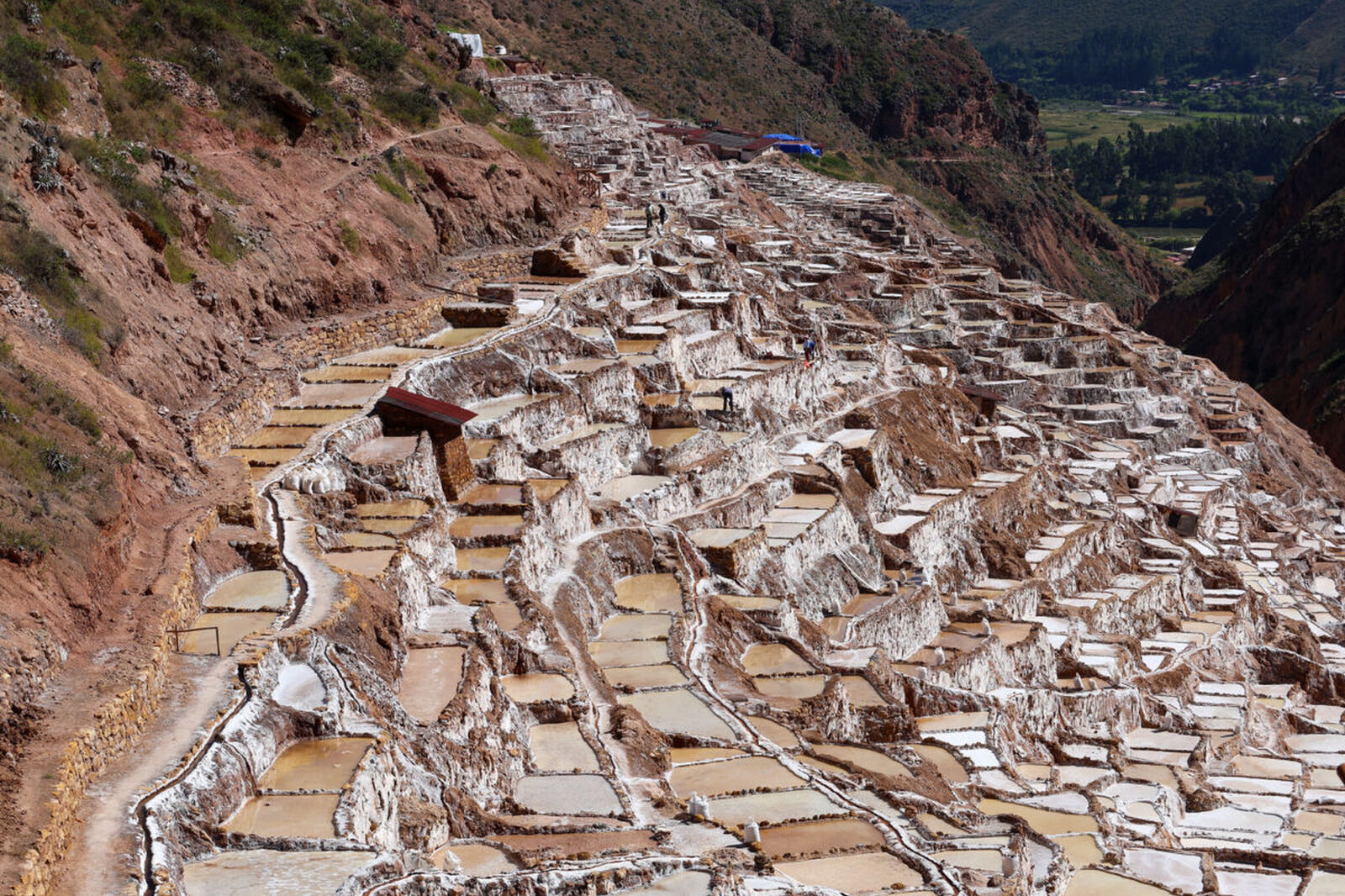
The Maras Salt Mines in the Sacred Valley are a collection of thousands of ancient salt evaporation ponds. The site has been used for salt production since pre-Inca times. Here, salty water from a subterranean stream is channelled into terraced ponds and evaporates, leaving salt that is mined by families in the area, who are custodians of particular pools.